The Hamburg Express, a flagship container vessel operated by Hapag‑Lloyd, has become a reference point for what industry insiders dub the “banana ball” – a colloquial shorthand for high‑capacity ships that move perishable cargo like bananas across oceans. Docked regularly on the Elbe, the ship’s size, speed, and refrigerated container capacity make it a linchpin in Europe’s fresh‑produce supply chain.
Core capabilities that set the Hamburg Express apart
At 300 meters in length, the Hamburg Express can accommodate thousands of TEU (twenty‑foot equivalent units), including a substantial number of refrigerated units (reefers) essential for keeping fruit at optimal temperature. Its twin‑engine design balances fuel efficiency with a cruising speed that keeps transit times competitive on the Europe‑Asia corridor.
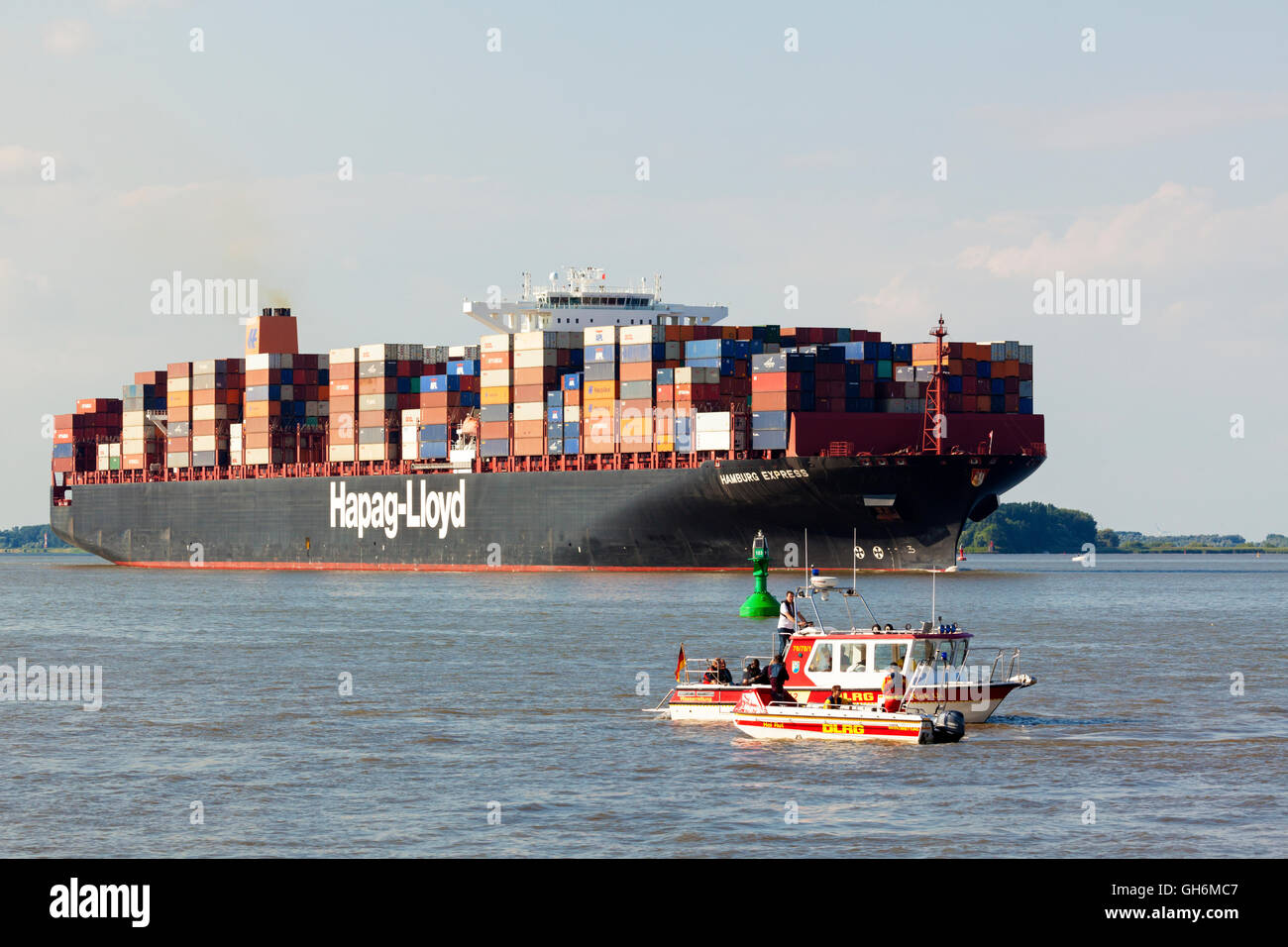
Beyond raw capacity, the vessel’s on‑board monitoring systems track temperature and humidity in each reefer, providing real‑time alerts to shippers. This technological edge reduces spoilage risk and supports the “banana ball” reputation for delivering fresh produce reliably.
Why the “banana ball” nickname matters
Logisticians coined “banana ball” to describe any large carrier that can move bulk shipments of bananas and similar perishables without breaking the cold chain. The Hamburg Express fits the bill because it regularly transports full loads of refrigerated containers from West African ports to European markets, ensuring that bananas arrive in Hamburg’s supermarkets within days of harvest.
The nickname also signals a broader trend: as global demand for fresh fruit rises, carriers that can guarantee temperature stability gain a competitive edge. Shippers increasingly select vessels like the Hamburg Express not merely for size but for their proven ability to treat delicate cargo as a priority.
Strategic position on the Elbe and in the Hamburg hub
Hamburg’s status as Europe’s third‑largest container port gives the Hamburg Express immediate access to extensive hinterland connections—rail, road, and inland waterways. Once the vessel docks, its cargo can be transferred to refrigerated trucks that distribute bananas throughout Germany, the Benelux region, and beyond.

The Elbe’s deep‑water channels accommodate the ship’s draft, allowing it to berth at the modern terminals equipped with advanced gantry cranes capable of handling the heavy reefers that compose a typical “banana ball” load.
Implications for shippers, retailers, and consumers
For exporters in tropical regions, the Hamburg Express offers a predictable schedule that aligns with harvesting cycles, reducing the need for costly air freight. Retailers benefit from lower transport costs and a steadier supply, which translates into more stable shelf prices for consumers.
Moreover, the vessel’s emphasis on environmental compliance—using low‑sulphur fuel and optimizing route planning—means the “banana ball” can meet rising sustainability expectations without compromising cargo quality.
In short, the Hamburg Express embodies the practical reality behind the “banana ball” moniker: a high‑capacity, temperature‑controlled carrier that bridges distant farms and urban grocery aisles efficiently and responsibly.
Looking ahead
As climate change pressures both production zones and shipping routes, vessels like the Hamburg Express will likely see upgrades in reefers and alternative fuels. The “banana ball” concept will evolve, but the core promise—delivering fresh fruit from field to fork with minimal waste—remains anchored to ships that combine size, speed, and sophisticated cold‑chain management.
Hapag-Lloyd Recibe Al último Buque De Su Serie Hamburg Express | Cámara
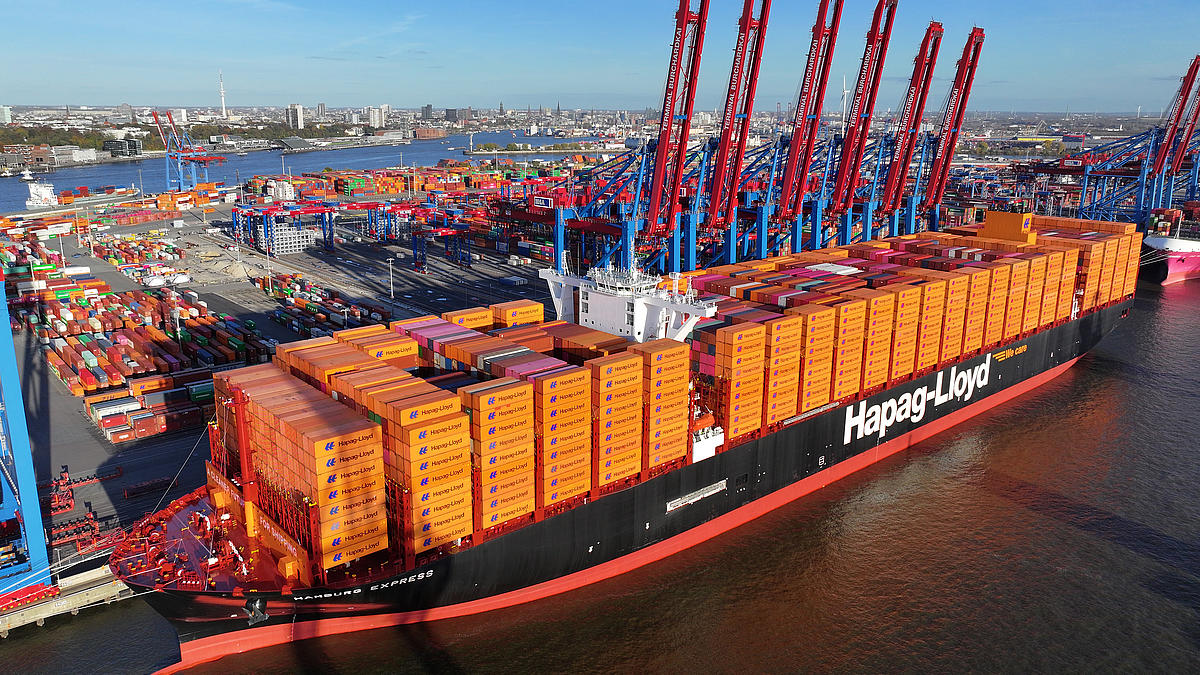
Hapag-Lloyd recibe al último buque de su serie Hamburg Express | Cámara ...
Hamburg Journal: Hapag-Lloyd Fährt Wieder Durchs Rote Meer - Hier Anschauen
Hamburg Journal: Hapag-Lloyd fährt wieder durchs Rote Meer - hier anschauen
H+ Hapag-Lloyd Bleibt Weiter Hinter Vorjahr Zurück

H+ Hapag-Lloyd bleibt weiter hinter Vorjahr zurück